
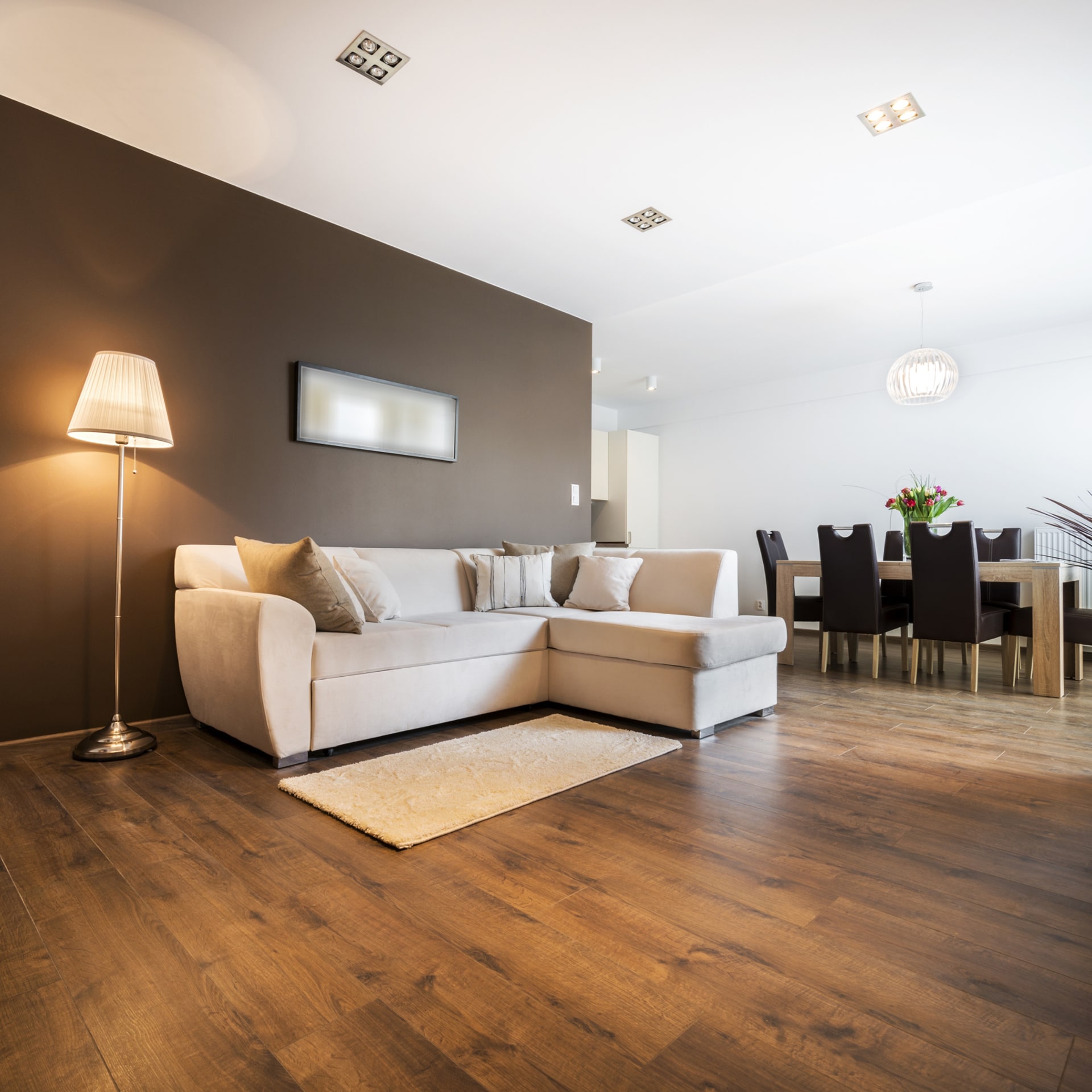
The Old North End is one of Colorado Springs’ most beloved historic neighborhoods. Tree-lined streets, Victorian and Craftsman homes, and a sense of permanence that newer developments cannot manufacture make this one of the most sought-after addresses in the city. The homes here have history, and the floors inside many of them have it too. Working in the Old North End means respecting what is already there and knowing how to bring it back rather than simply replacing it.
Old North End homes require a different approach than new construction. The subfloors are older, the layouts are non-standard, and the original hardwood, where it survives, is often early-growth wood that has characteristics you simply cannot replicate with anything installed today. We know how to work in these homes. We assess what is there honestly, preserve what is worth keeping, and recommend replacement only when the floor genuinely cannot be saved. It is slower and more careful work, and we would not have it any other way.

When Old North End homes need new hardwood, we install site-finished solid wood that complements the character of the existing home rather than fighting against it. Species and stain are selected to honor the original aesthetic.
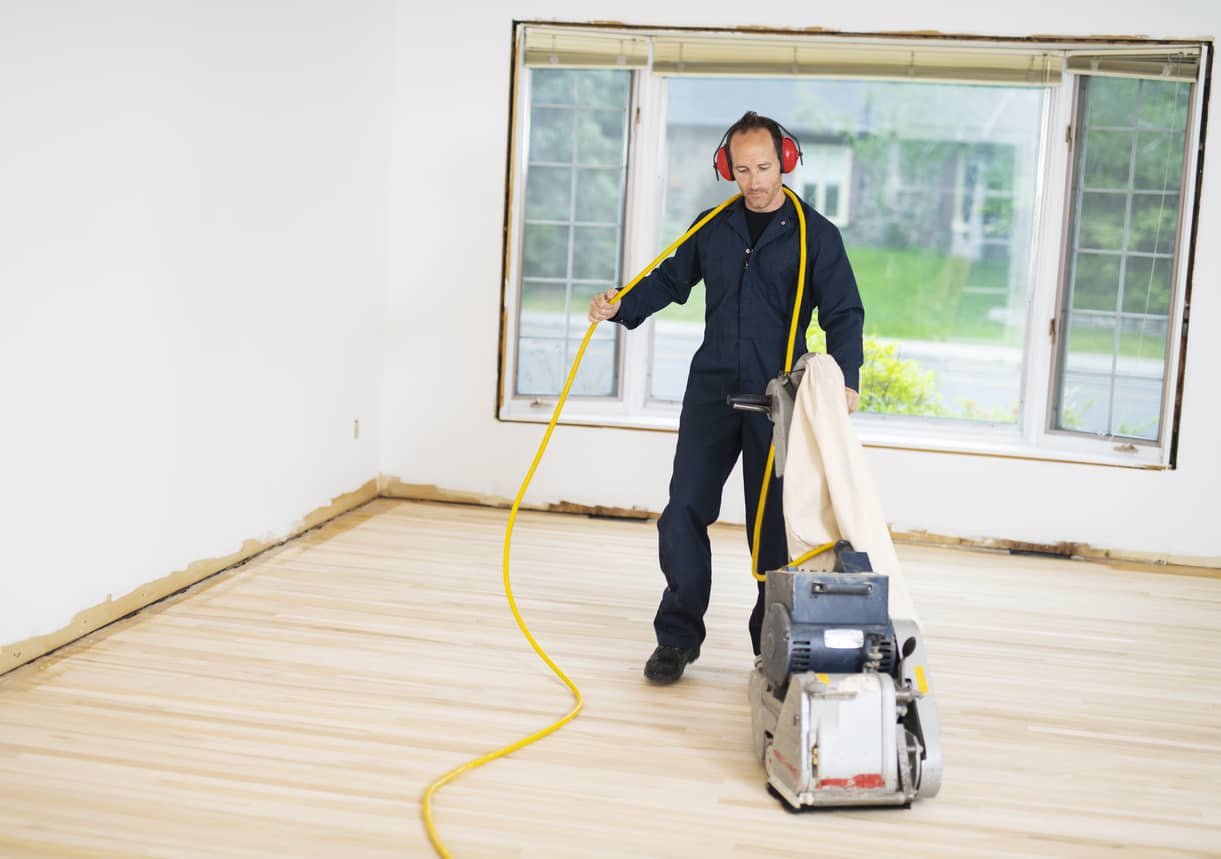
Refinishing original hardwood in Old North End homes is some of our most meaningful work. Our dustless process restores original fir, oak, and early-growth hardwood floors without destroying the character that makes them worth having.
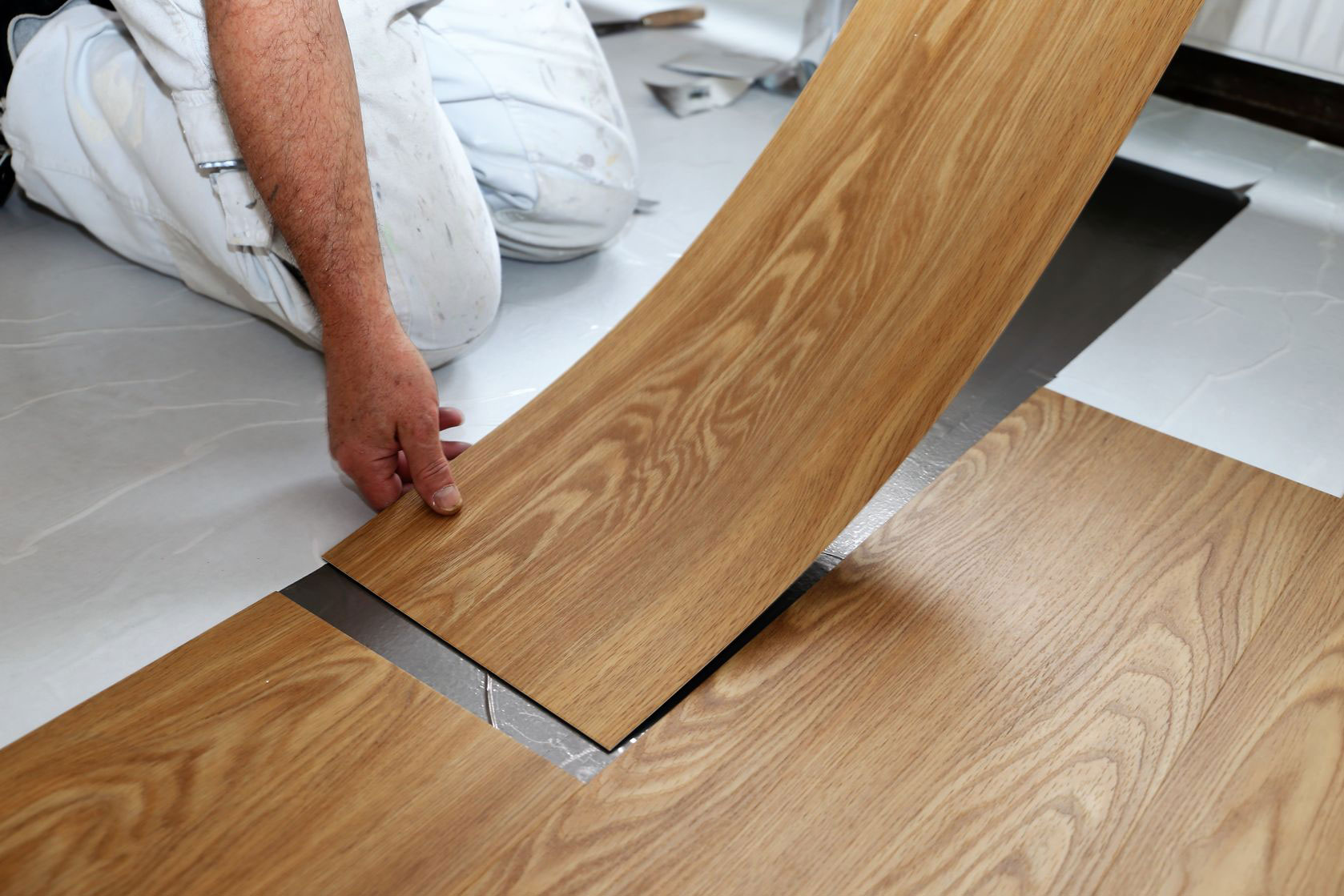
For Old North End utility areas, basements, and rental units within historic properties, LVP provides practical waterproof performance in wood-look styles that do not clash with the overall aesthetic of the home.
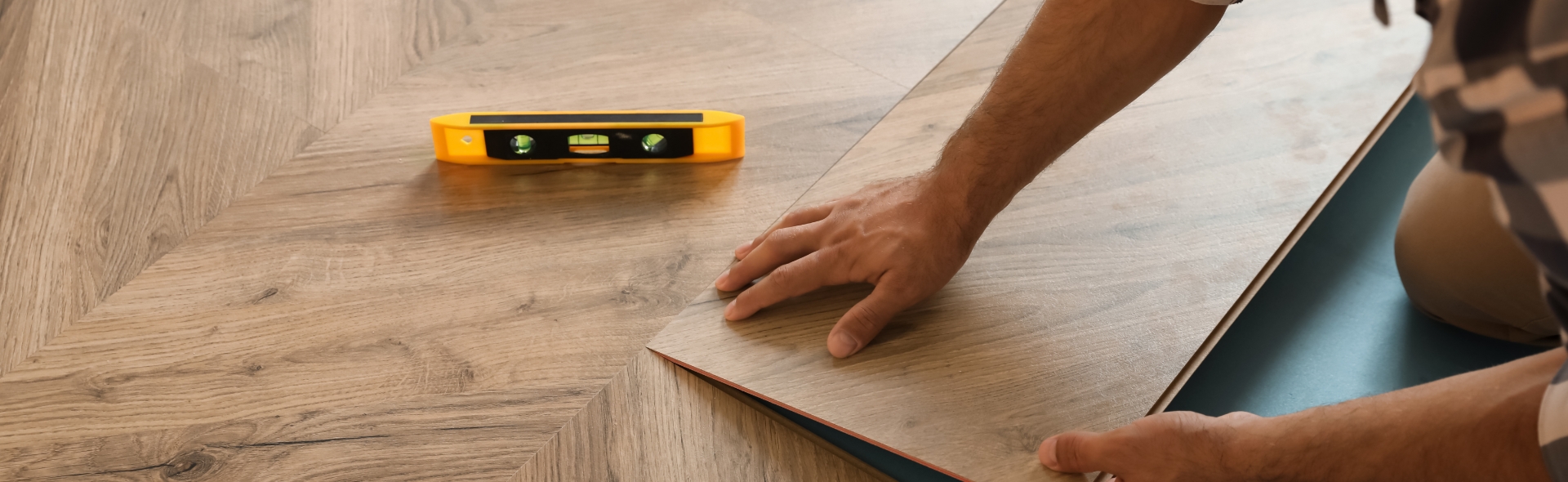
Laminate is a cost-effective option for Old North End investment properties and secondary spaces where durability and budget take priority over premium materials.
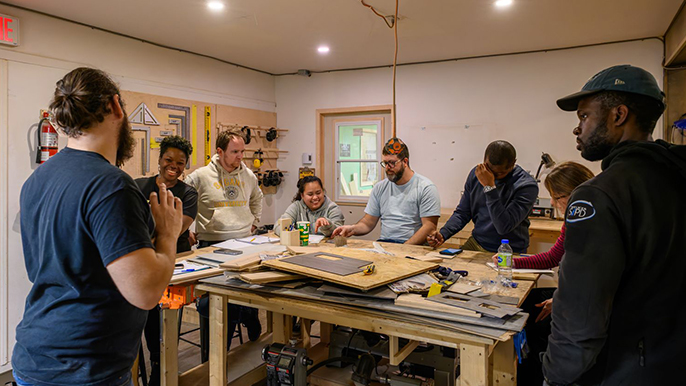
In Old North End spaces where solid hardwood is not the right fit, engineered hardwood lets us maintain a real wood look while accommodating older subfloor conditions or humidity variability in basement or lower-level areas.
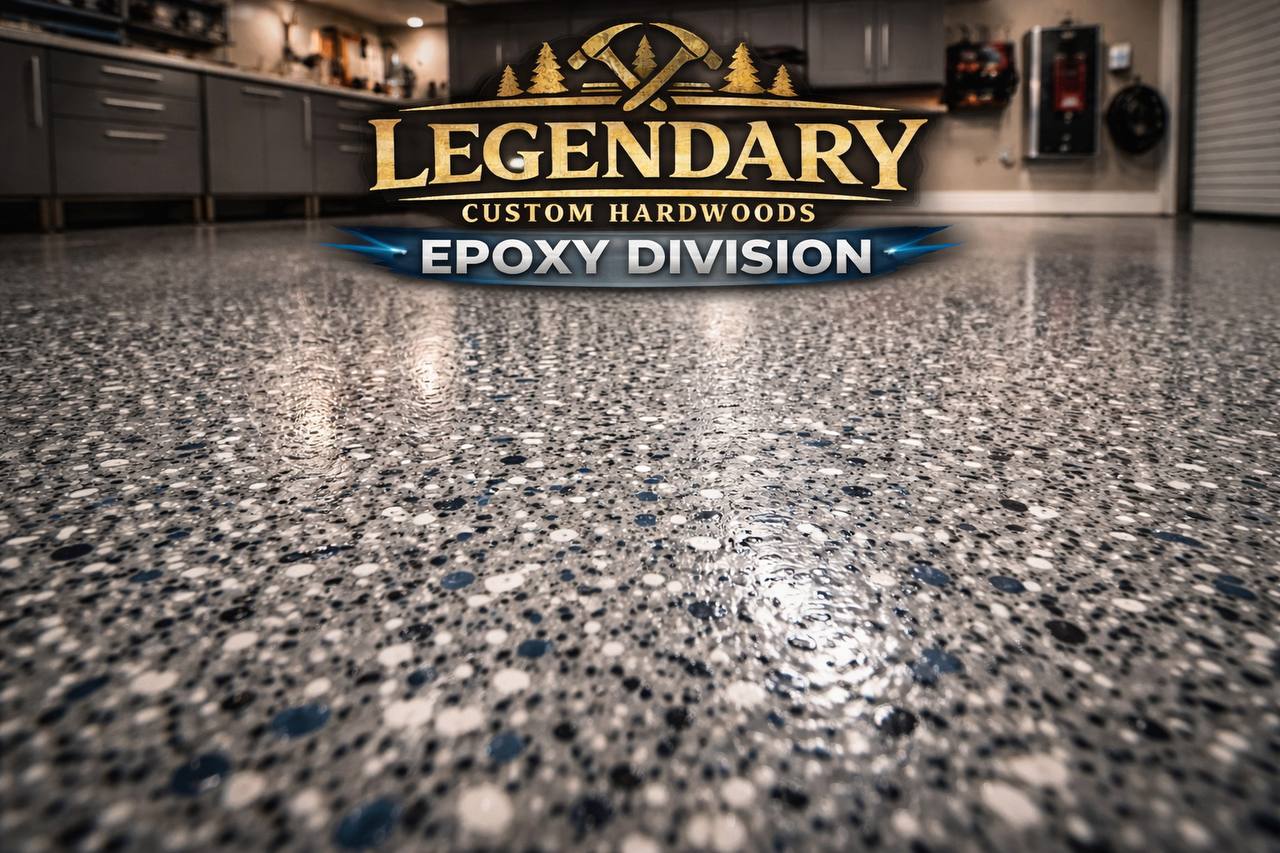
Old North End garages are often older and smaller than modern standards, but they still benefit from a properly sealed epoxy floor that protects against oil and moisture and makes the space more functional.






Old North End homeowners ask different questions than most. Here are the ones we hear most often when working in this historic neighborhood.
In most cases, yes, and it is almost always the right first move to explore. Original hardwood in these homes, often early-growth fir, oak, or maple, has a density and character that modern flooring cannot replicate. We inspect the floor during the free consultation, check the wear layer thickness and board condition, and give you an honest assessment of what is possible and what it will cost compared to replacement.
Non-standard layouts are business as usual in the Old North End. Angled rooms, irregular subfloors, original squeaky joists, and the kinds of structural surprises that come with homes built over a century ago are things we work through as a normal part of the project. We assess the full situation before we start and build any complications into the plan rather than discovering them mid-job.
Call us. Finding original hardwood under carpet in these homes is more common than you might expect, and what is underneath is often in better shape than you would guess. We can take a look at what you have, assess the condition, and tell you whether refinishing is an option and what it would involve. Do not assume it needs replacement before you have had an expert look at it.
Matching historic hardwood requires attention to species, grain pattern, cut, and finish. On site-finished work, we blend stain on location and test it in your actual space until the match is as close as possible. We are upfront about what is achievable and what the limitations are before we start.
Yes. We work with both owner-occupied homes and investment properties throughout the neighborhood. For rental units, we can help you select durable materials and finishes that hold up to tenant use without requiring constant upkeep.
Historic homes often take a little longer than new construction because we work carefully around the existing structure and address any subfloor issues we find. Most projects run one to four days depending on scope and complexity. We give you a realistic timeline during the consultation that accounts for what we know and what we might find.
We do. Call (719) 233-8009 to schedule your free in-home consultation. We genuinely enjoy working in this neighborhood and take the work seriously.